History & Historical Heritage
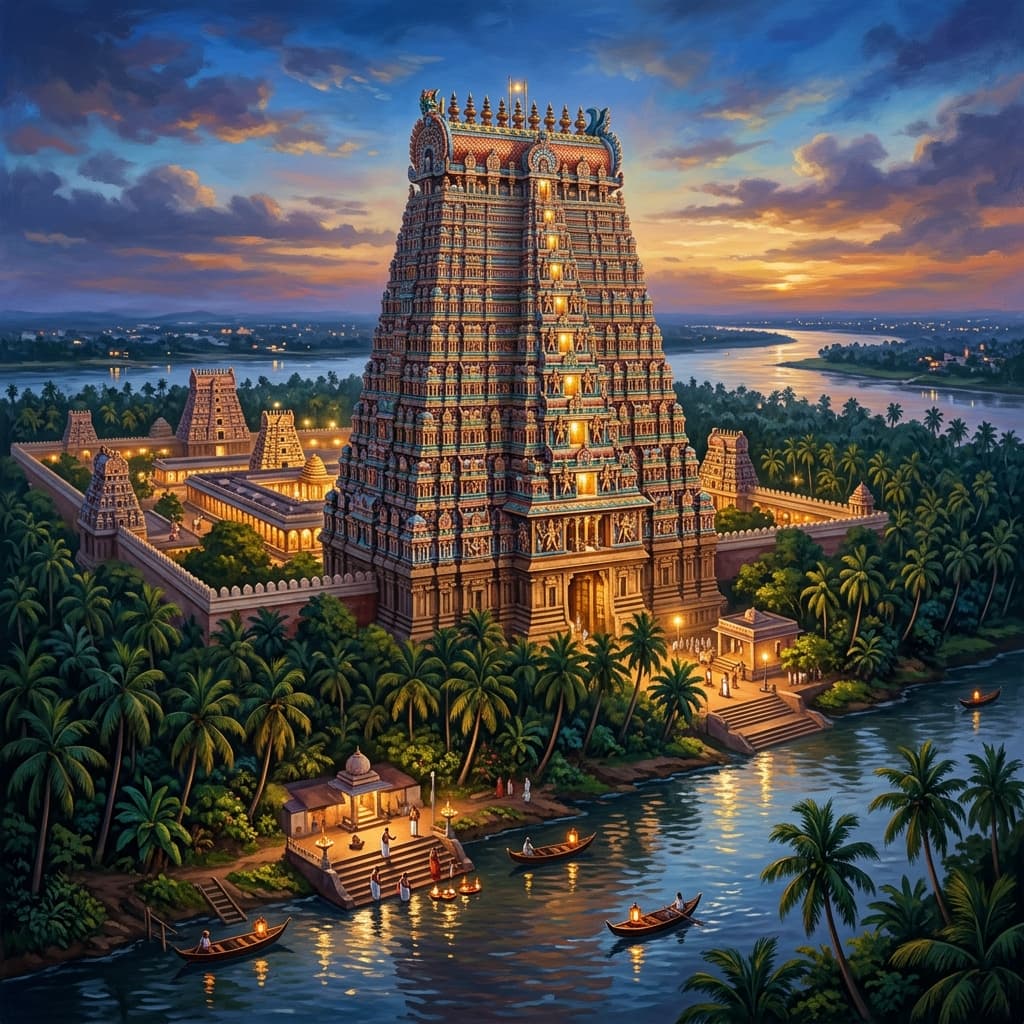
Pashupatinath Temple is a world-famous, highly sacred Hindu temple complex located in Kathmandu, Nepal, on the banks of the Bagmati River. Dedicated to Lord Shiva (worshipped as Pashupati, the Lord of Animals), it is a UNESCO World Heritage site and is revered as the oldest Hindu temple in Kathmandu, dating back to at least 400 BC. The main temple is built in a magnificent Nepalese pagoda style, featuring a two-tiered golden roof, silver-plated doors, and beautiful wood carvings. The inner sanctum houses a unique four-faced stone Shiva Lingam. Pashupatinath is a primary pilgrimage center for Hindus globally, attracting millions during Maha Shivaratri. Non-Hindus are restricted from entering the inner courtyard but can view the temple from across the Bagmati River.
Pilgrim Crowdsourced Updates
Sacred Legend (Sthala Puranam)
"According to Nepalese Shiva Purana, Lord Shiva once fled Kailash and lived in the Kathmandu valley disguised as a one-horned golden deer. The gods pursued him, and when they grabbed the deer by its horns, the horn broke into four pieces. The spot where the horn fell became the holy Pashupatinath, where Shiva manifested as the protector of all animals (Pashupati). It is believed that visiting Pashupatinath relieves one of rebirth as an animal."
Recommended History & Documentary Videos
Comprehensive Route Guide & Logistics
Nearest Airport
Tribhuvan International Airport (KTM) - 2 km (Located very close to the airport)
Local Bus Routes
Available Bus Numbers: Frequent local microbuses, taxis and tempos operate from Thamel and Ratnapark to Pashupatinath
Railway Junctions & Connecting Trains
- Raxaul Railway Station (India-Nepal Border) - Nearest major railway station in India. From Raxaul, take a bus or taxi to Kathmandu (approx. 140 km across hilly terrain).